
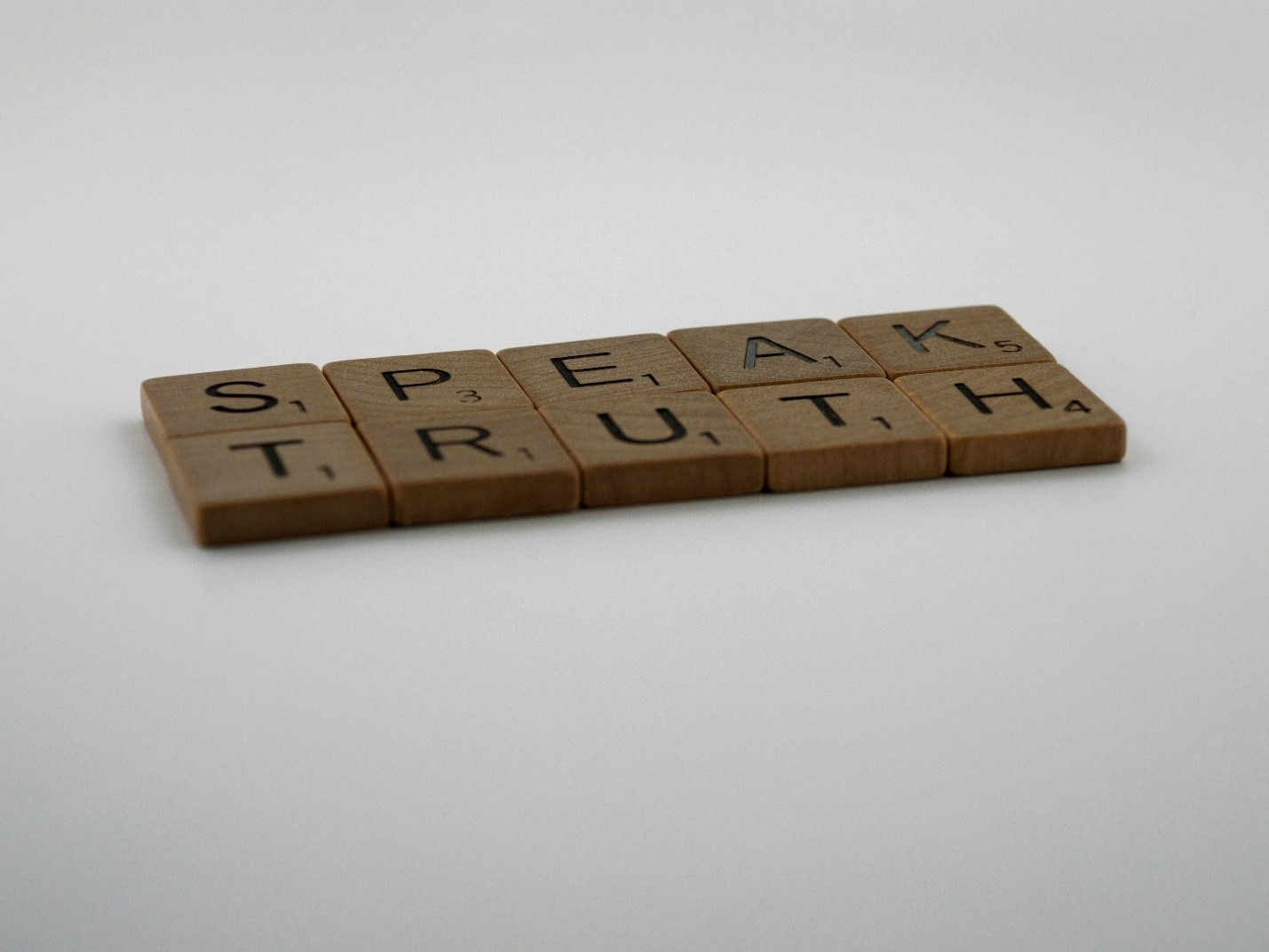
Every relationship—romantic, family, or friendship—will eventually face storms. Misunderstandings happen. Feelings get hurt. Life stressors pile up. What often makes the difference between relationships that grow stronger and those that fall apart is trust.
But trust isn’t built through perfection. It’s built through vulnerability.
In fact, vulnerability is the foundation that allows real connection to form.
Why Vulnerability Builds Trust
Most of us were raised to believe vulnerability means weakness. But from a therapeutic perspective, vulnerability is actually the most powerful form of emotional strength.
When you let someone see the real you—including the fears, insecurities, and needs you usually hide—you’re showing them something sacred:
“I trust you enough to be real with you.”
This openness creates emotional safety, and emotional safety is what makes trust possible.
Trust Isn’t Built by Avoiding Conflict
People often assume that the strongest relationships are the ones without conflict. Actually, the healthiest relationships are the ones where conflict can happen safely.
A relationship where things are never discussed honestly is a relationship that becomes emotionally distant.
Real trust comes from knowing:
- “We can disagree and still be okay.”
- “We can talk about hard things without falling apart.”
- “You won’t punish me for being human.”
That is what allows a relationship to weather the storm.
Love = Truth + Compassion
Many people communicate truth without compassion—or compassion without truth.
Both extremes cause disconnection.
When I talk about Love, I define it as:
Love = Truth + Compassion
Truth without compassion becomes harsh, critical, or even judgmental.
Compassion without truth becomes avoidance or pretending everything is fine.
Healthy love requires both:
- Honesty about your feelings
- Understanding of theirs
And when both exist together, vulnerability feels safe—not risky.
How to Practice Vulnerable Communication
Here are a few ways to start:
-
Share what you feel—not just what you think
Instead of:
“You never listen to me.”
Try:
“I feel unheard when I’m sharing something important.”
-
Ask before assuming
Instead of:
“You don’t care about me.”
Try:
“Can you help me understand what you meant earlier?”
-
Repair after conflict
Even if the conversation didn’t go perfectly, circle back:
“Thank you for talking about this with me. I’m glad we can work through things.”
Repair builds resilience.
Healthy Relationships Are Built on Safe Vulnerability
When vulnerability is met with care instead of criticism, the nervous system relaxes. The other person becomes a safe place, instead of a threat.
This is often the moment when real trust begins.
And from that trust, love deepens.
When Trust Has Been Broken
Sometimes trust needs to be rebuilt. That process usually requires:
- open communication
- accountability
- consistent actions over time
- emotional safety
- compassion
And often, the help of a therapist who can guide the process.
You don’t have to rebuild trust alone.
Online Therapy Can Help Strengthen Your Relationships
Our online therapy practice here in Texas works with individuals, couples, and families who want to:
- communicate better
- repair emotional wounds
- build trust
- learn compassionate communication
- create emotional safety
- strengthen their relationships
You deserve relationships that feel safe, supportive, and genuine.
Final Thought
Trust isn’t built by being perfect.
It’s built by being real.
Vulnerability is not weakness—it’s the pathway to love, emotional security, and connection.
Relationships that practice truth + compassion don’t avoid storms—they survive them.
If you’re ready to improve communication or build a more connected relationship, Online Therapy of Texas is here to support you.
You can schedule a session today and start building relationships that are strong enough to weather anything life brings.
